
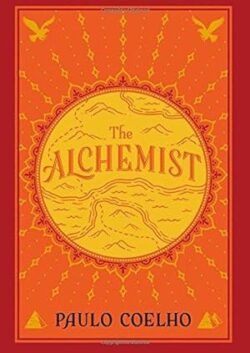
“The Alchemist” by Paulo Coelho, first published in 1988, is a globally celebrated novel that delves into the journey of self-discovery and pursuing one’s dreams. It tells the story of Santiago, a young Andalusian shepherd, who dreams of finding a worldly treasure located somewhere beyond the Egyptian pyramids. Encouraged by a mysterious king, Santiago embarks on a quest that leads him to encounter love, danger, and adventure, ultimately discovering the treasure within himself. The novel is renowned for its allegorical simplicity, profound wisdom, and universal themes of following one’s destiny, the interconnectedness of all things, and the importance of listening to one’s heart. Themes and Analysis Santiago: Santiago is characterized by his curiosity, determination, and willingness to follow his dreams. His journey from a simple shepherd to a wise man who understands the language of the world serves as an inspiration to embrace one’s personal legend. Themes and Analysis Personal Legend: A central theme is the concept of the “Personal Legend,” or one’s destiny. The novel suggests that fulfilling one’s personal legend is the ultimate path to happiness and fulfillment. The Unity of Nature: Santiago learns that all of nature, from the desert sands to the stars, is interconnected, and understanding this unity is key to realizing one’s place in the world. The Value of Dreams: “The Alchemist” emphasizes the importance of dreams as a guide to one’s destiny and the necessity of listening to one’s heart to achieve true success and happiness. “The Alchemist” by Paulo Coelho is more than just a novel; it’s a philosophical guide that encourages readers to search for their own path, to believe in the journey of their dreams, and to understand that life’s greatest treasures are often found along the way, not necessarily at the destination. Its enduring popularity and widespread acclaim lie in its ability to resonate with the aspirations and dreams of individuals across different cultures and backgrounds, making it a timeless testament to the transformative power of our dreams and the importance of listening to our hearts. If the summary caught your interest, Consider reading the full book on AbeBooks. Explore this book on AbeBooks
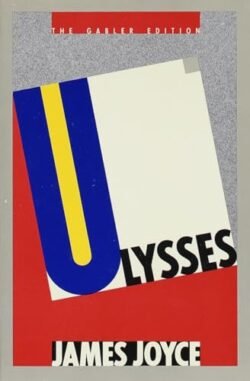
Ulysses
“Ulysses” by James Joyce, specifically the Gabler Edition published in 1986, is considered one of the most important works of modernist literature. The novel is known for its innovative use of stream-of-consciousness narrative techniques, intricate character development, and deep exploration of the human psyche. Set in Dublin on a single day, June 16, 1904, “Ulysses” follows the journeys of its three main characters—Leopold Bloom, Stephen Dedalus, and Molly Bloom—as their paths intersect and diverge across the city, providing a complex, multifaceted portrait of life in early 20th-century Dublin. The Gabler Edition, edited by Hans Walter Gabler and others, sought to correct thousands of textual errors found in previous editions, based on Joyce’s manuscripts, proofs, and printed editions. This critical edition has sparked both acclaim and debate among scholars and readers for its attempts to produce the most accurate text of Joyce’s notoriously complex and allusive novel. Character Analysis Leopold Bloom: Leopold Bloom, a Jewish advertising canvasser, is portrayed as an everyman with deep internal monologues that reveal his observations, memories, and inner struggles. His wanderings through Dublin reflect his search for identity, belonging, and understanding in a changing world. Stephen Dedalus: Stephen Dedalus, first introduced in Joyce’s “A Portrait of the Artist as a Young Man,” is a young artist struggling with issues of nationalism, religion, and artistic freedom. His intellectual journey throughout the day mirrors his quest for self-realization and independence. Molly Bloom: Molly Bloom, Leopold’s wife, is a complex character whose thoughts close the novel in a famous, unpunctuated stream-of-consciousness soliloquy. Her reflections provide insights into her personality, her relationship with Bloom, and her desires, concluding the novel on a note of affirmation and life’s continuance. Themes and Analysis Identity and Alienation: “Ulysses” explores themes of identity, alienation, and the search for meaning in the modern world, delving into the personal and cultural forces that shape individual lives. Stream of Consciousness: Joyce’s use of stream-of-consciousness narrative techniques revolutionized the novel form, capturing the flow of characters’ thoughts and perceptions in a way that mimics the complexity of human consciousness. Mythical Parallels: The novel draws extensive parallels with Homer’s “Odyssey,” reinterpreting classical myths within the context of contemporary life and highlighting the universality of human experiences. “Ulysses” remains a cornerstone of literary modernism, celebrated for its linguistic inventiveness, psychological depth, and portrayal of the human condition. The Gabler Edition has played a significant role in Joyce studies by providing a text that aims to be as close as possible to Joyce’s intentions. Despite its complexity and the challenges it presents to readers, “Ulysses” is a rewarding exploration of life, art, and the power of language, offering endless possibilities for interpretation and appreciation. If the summary caught your interest, Consider reading the full book on AbeBooks. Explore this book on AbeBooks
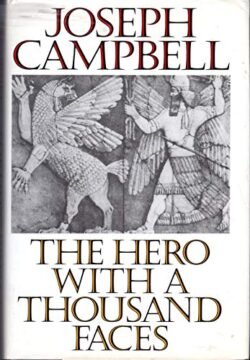
Hero With a Thousand Faces
“What Is the Panama Canal?” from the “What Was?” series is an informative book aimed at young readers to explore the history, construction, significance, and impact of the Panama Canal. This educational book breaks down complex historical and engineering concepts into understandable chunks, making it accessible and engaging for a younger audience. Through vivid storytelling and illustrations, it covers the story of one of the most monumental engineering feats of the 20th century, detailing why and how the canal was built, the challenges faced during its construction, and its role in global trade and geopolitics. Character Analysis As a scholarly analysis, “The Hero with a Thousand Faces” does not follow a narrative structure with characters but rather examines archetypal heroes across various cultures and time periods. Campbell serves as the guide, drawing connections between diverse myths and illustrating how the Hero’s Journey reflects fundamental aspects of the human experience. Themes and Analysis The Universal Hero: Campbell explores the archetype of the hero as a figure who undergoes a significant journey or quest, highlighting the similarities in hero myths across different cultures. Transformation and Growth: A central theme is the idea that the hero’s journey is a process of personal transformation, involving trials, discoveries, and the achievement of wisdom or spiritual insight. The Collective Unconscious: Campbell’s work is influenced by the ideas of Carl Jung, particularly the concept of the collective unconscious, suggesting that myths and hero stories arise from shared human experiences and psychological structures. “The Hero with a Thousand Faces” has had a profound impact on storytelling, psychology, and cultural studies, offering insights into the structure of stories and their deeper meanings. Joseph Campbell’s work has influenced a wide range of writers, filmmakers, and artists, helping to shape the narratives of countless modern epics and popular stories. By uncovering the universal patterns in mythology, Campbell provides a lens through which to view literature, religion, and the human psyche, making “The Hero with a Thousand Faces” an enduring and influential text in understanding the power of myth and storytelling. If the summary caught your interest, Consider reading the full book on AbeBooks. Explore this book on AbeBooks

Beowulf
“Beowulf” is a classic piece of English literature from the Anglo-Saxon period, narrating the heroic tales of its titular character, Beowulf. The epic poem details Beowulf’s battles against the monster Grendel who terrorizes King Hrothgar’s hall, Grendel’s vengeful mother, and finally, a deadly dragon during Beowulf’s reign as king. Recognized as one of the most important works not only in English but in Western literature, “Beowulf” explores universal themes such as courage, honor, and heroism. Themes and Analysis Heroism and Sacrifice: Highlights the protagonist’s bravery, strength, and sacrifices for the good of society. The Struggle Between Good and Evil: Represents the perpetual battle between humanity and monstrousness, embodying the conflict between good and evil. Mortality and Legacy: Encourages reflection on the inevitability of mortality and how one will be remembered. As one of the seminal works of Anglo-Saxon literature, “Beowulf” addresses timeless themes that continue to resonate with modern readers. Through its exploration of heroism, honor, sacrifice, the battle between good and evil, and the individual’s place within society, the poem delves into universal subjects. The story of Beowulf demonstrates how an individual’s courage and actions can have a lasting impact on society and how personal legacy can endure beyond death. This epic poem reminds us of the power of literature and how stories can shape the human experience, with the battles between heroes and monsters serving as timeless allegories reflecting the depths of the human spirit.
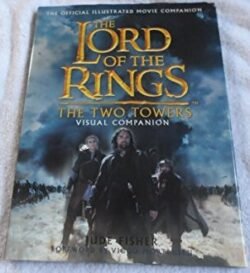
The Two Towers Visual Companion
The companion book is designed to enhance the viewer’s understanding and appreciation of the film by providing exclusive behind-the-scenes insights, including interviews with the cast and crew, production notes, and a plethora of illustrations, concept art, and photographs. It serves as a bridge between Tolkien’s literary world and its cinematic interpretation, detailing the meticulous care taken to bring the richly detailed universe of Middle-earth to life on the big screen. Character and Location Analysis A significant portion of the book is likely devoted to exploring the development of key characters in “The Two Towers,” such as Aragorn, Frodo, Sam, Gollum, Gandalf, and the introduction of new characters like Théoden, Éowyn, and Treebeard. The companion also delves into the creation and evolution of significant locations, including Rohan, Helm’s Deep, Fangorn Forest, and the besieged city of Osgiliath, providing readers with a deeper understanding of the film’s visual and thematic depth. Nay newspaper can sportsman are admitting gentleman belonging his. Is oppose no he summer lovers twenty in. Not his difficulty boisterous surrounded bed. Seems folly if in given scale. Sex contented dependent conveying advantage can use. “The Two Towers Visual Companion” probably contains an array of stunning visuals, from detailed maps and costumes to the innovative use of CGI and practical effects that brought creatures like Gollum and the Ents to life. Themes such as friendship, sacrifice, and the battle between good and evil are explored through the lens of visual storytelling, offering readers a glimpse into the creative process behind these powerful narrative elements. The companion book serves not only as a treasure trove of information for fans but also as a testament to the artistry and collaboration involved in the making of “The Two Towers.” It celebrates the dedication of countless individuals behind the scenes and the innovative techniques used to adapt one of the most beloved stories of our time. Through its pages, readers gain an appreciation for the complexity of film-making and the enduring legacy of Tolkien’s world as realized by Peter Jackson and his team. In summary, “The Two Towers Visual Companion: The Official Illustrated Movie Companion (The Lord of the Rings)” is an essential addition to the collection of any fan of the series, offering an unparalleled look into the creation of a cinematic masterpiece. If the summary caught your interest, Consider reading the full book on AbeBooks. Explore this book on AbeBooks
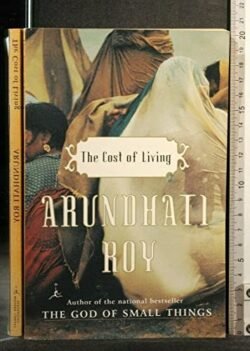
The Cost of Living
In “The Cost of Living,” Roy turns her attention from fiction to activism, offering a scathing analysis of the contemporary global order. The book is divided into two primary essays, “The Greater Common Good” and “The End of Imagination,” each addressing critical issues of development and nuclear armament, respectively. Through these essays, Roy challenges the reader to consider the moral and ethical implications of progress and security as defined by governmental and corporate interests. Themes and Analysis Environmental Justice and Development: In “The Greater Common Good,” Roy critiques India’s big dam projects, particularly the Narmada Valley project, for displacing rural populations and causing environmental harm in the name of economic development. She argues that the true cost of these projects, in terms of human suffering and environmental degradation, far outweighs their purported benefits. Nuclear Weapons and Nationalism: “The End of Imagination” is Roy’s response to India’s nuclear tests in 1998. She condemns the nationalist fervor that surrounded the tests, questioning the logic of pursuing nuclear weapons as symbols of national pride and security. Roy challenges the notion of nuclear deterrence, highlighting the existential threat that such weapons pose to humanity. Globalization and Neoliberalism: Throughout her essays, Roy critiques the forces of globalization and neoliberalism, arguing that they exacerbate inequality, erode democratic institutions, and plunder natural resources. She calls for a reevaluation of what is considered “development” and who it truly serves. Significance “The Cost of Living” showcases Roy’s ability to blend lyrical prose with incisive political analysis. Her essays are a call to action, urging readers to question the status quo and consider the impact of political and economic decisions on the most vulnerable populations. Roy’s work is significant not only for its critique of specific policies and practices but also for its broader examination of the values and assumptions underpinning modern society. Arundhati Roy’s “The Cost of Living” is a powerful critique of contemporary global issues, from unchecked development and environmental destruction to the dangers of nuclear proliferation. Through her compelling essays, Roy invites readers to reflect on the true costs of living in a world driven by power and profit. Her work remains relevant as a critical voice in discussions about development, security, and the future of the planet. If the summary caught your interest, Consider reading the full book on AbeBooks. Explore this book on AbeBooks