

“Undaunted Courage: Meriwether Lewis, Thomas Jefferson, and the Opening of the American West” by Stephen E. Ambrose, first published in 1996, is a compelling narrative that chronicles the Lewis and Clark Expedition, one of the most significant exploratory missions in American history. The book delves into the personal and professional relationship between President Thomas Jefferson and Meriwether Lewis, whom Jefferson tasked with leading the expedition after the Louisiana Purchase. Ambrose provides a detailed account of the preparation, challenges, and achievements of the expedition, highlighting Lewis’s leadership and the contributions of his co-leader William Clark, as well as the indispensable role of Sacagawea, a Shoshone interpreter. “Undaunted Courage” paints a vivid picture of the uncharted American frontier, the interactions with Native American tribes, and the scientific and geographic discoveries made along the way. Character Analysis The narrative follows Meriwether Lewis from his early life and military career to his selection by Jefferson as the leader of the Corps of Discovery. Ambrose uses journals, letters, and historical documents to reconstruct the journey, emphasizing the expedition’s significance in mapping the West, establishing relationships with Native American tribes, and documenting the region’s diverse flora and fauna. Themes and Analysis Exploration and Discovery: The book captures the spirit of adventure and the drive for knowledge that motivated the Lewis and Clark Expedition. Leadership and Friendship: Ambrose explores the leadership qualities of Lewis and Clark, as well as their strong bond, which was crucial for the expedition’s success. Cultural Encounters: The interactions between the expedition members and the Native American tribes they encountered are depicted with nuance, highlighting moments of cooperation and conflict. “Undaunted Courage: Meriwether Lewis, Thomas Jefferson, and the Opening of the American West” is not just a historical account but a story of adventure, friendship, and the human spirit’s quest for knowledge. Stephen E. Ambrose’s meticulous research and engaging narrative style bring to life the daring journey of Lewis and Clark, offering readers a window into the challenges and wonders of exploring the unknown. The book stands as a tribute to the men and women who played pivotal roles in expanding the boundaries of the young United States and deepening our understanding of the vast American landscape. If the summary caught your interest, Consider reading the full book on AbeBooks.

Son of Hamas
“Son of Hamas: A Gripping Account of Terror, Betrayal, Political Intrigue, and Unthinkable Choices” by Mosab Hassan Yousef, published in 2010, delves into the complex life of the author, who was born into Hamas, a prominent Palestinian Islamist organization. Mosab, the son of Sheikh Hassan Yousef, one of Hamas’s founders, narrates his journey from being groomed to take a leadership role within the organization to becoming a key informant for the Israeli security agency, Shin Bet. Character Analysis Mosab Hassan Yousef: As the protagonist, Mosab undergoes a profound transformation. Initially indoctrinated with Hamas’s ideology, his experiences of violence, imprisonment, and interrogation lead him to question the cycle of conflict. His decision to work with Shin Bet, motivated by a desire to save lives and prevent violence, places him in constant peril and leads to a deep personal and ideological conflict. Themes and Analysis Conflict and Identity: The memoir explores Mosab’s internal struggle with his identity as the son of a Hamas leader and his clandestine role as an informant, offering insights into the psychological impact of living a double life. The Nature of Betrayal: Mosab’s actions are seen as the ultimate betrayal by his family and community, yet he views his work with Shin Bet as a moral choice to prevent further violence. Redemption and Change: The story is a testament to the possibility of change, showing how Mosab’s exposure to different perspectives leads him to embrace a path of peace and reconciliation. “Son of Hamas” provides a rare insider’s perspective on Hamas and the Israeli-Palestinian conflict, challenging readers to consider the complexities of loyalty, faith, and the human capacity for change. Mosab Hassan Yousef’s journey from a potential Hamas leader to a peace advocate underscores the power of personal conviction and the potential for individuals to impact the broader societal conflict. The memoir is a compelling narrative of transformation, offering hope for a future beyond the entrenched divisions and violence. If the summary caught your interest, Consider reading the full book on AbeBooks. Explore this book on AbeBooks

Tortured for Christ
“Tortured for Christ” by Richard Wurmbrand, first published in 1967, is a powerful and moving autobiography that recounts the author’s experiences under the brutal Communist regime in Romania. Wurmbrand, a pastor and founder of the organization that would become Voice of the Martyrs, spent fourteen years in Communist prisons for his faith, enduring unthinkable torture and long periods of solitary confinement. Despite the harsh treatment, his faith remained unbroken, and he continued to preach the Gospel to his fellow prisoners and even to his captors. The book is not only a personal memoir but also a testament to the strength of faith in the face of persecution. Wurmbrand’s story is a poignant reminder of the ongoing struggle for religious freedom and the resilience of the human spirit. Character Analysis As the main figure in the book, Richard Wurmbrand emerges as a symbol of unwavering faith and compassion. His ability to forgive his torturers and maintain a deep love for Christ in the darkest of times showcases the profound impact of his beliefs. Wurmbrand’s narrative is not one of despair but of hope and unwavering belief in the power of love and forgiveness. Themes and Analysis Faith under Persecution: The central theme revolves around maintaining one’s faith amidst severe persecution. Wurmbrand’s experiences highlight the challenges and trials faced by Christians in Communist countries. Forgiveness: Remarkably, Wurmbrand discusses the importance of forgiveness, even towards those who inflicted great suffering upon him, emphasizing a core Christian tenet. The Power of the Gospel: Despite the risks, Wurmbrand continued to share the Gospel, believing in its power to transform even the most hardened hearts. “Tortured for Christ” is an inspiring account of courage, faith, and forgiveness. Richard Wurmbrand’s extraordinary story serves as a poignant reminder of the cost of religious freedom and the power of faith to endure through the most challenging circumstances. The book has touched the hearts of readers around the world, inspiring them to advocate for persecuted Christians and to appreciate the freedoms they enjoy. Wurmbrand’s legacy continues through the work of Voice of the Martyrs, an organization dedicated to supporting persecuted Christians globally. His life and testimony remain a powerful witness to the strength of faith and the human spirit’s capacity for resilience and compassion. If the summary caught your interest, Consider reading the full book on AbeBooks. Explore this book on AbeBooks
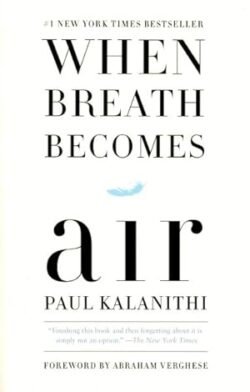
When Breath Becomes Air
“When Breath Becomes Air” by Paul Kalanithi, published posthumously in 2016, is a profound and poignant memoir that explores life, death, and the meaning of existence from the unique perspective of a neurosurgeon faced with terminal cancer. Paul Kalanithi, who was completing his training as a neurosurgeon and neuroscientist, was diagnosed with stage IV lung cancer at the age of 36. The memoir recounts Kalanithi’s journey from a medical student obsessed with the question of what makes life worth living to a neurosurgeon at Stanford working on the brain, the most critical place for human identity, and finally to a patient and a new father confronting his own mortality. Character Analysis Paul Kalanithi: Paul Kalanithi is both the author and the subject of the memoir, offering a deeply personal and introspective look at his life, career, and battle with cancer. His reflections on the challenges of facing death provide insights into the human condition and the intersection of life’s meaning with the practice of medicine. Kalanithi’s profound understanding of literature, philosophy, and science enriches his narrative, making his exploration of life and death universally relatable and deeply moving. Themes and Analysis Meaning and Mortality: Central to the memoir is the exploration of what gives life meaning, especially in the face of death. Kalanithi’s diagnosis prompts him to examine his beliefs and values, leading readers on a philosophical journey that questions the essence of living a meaningful life. The Doctor-Patient Relationship: Kalanithi offers a unique perspective on the dynamics of being both a doctor and a patient, providing valuable insights into empathy, compassion, and the complexities of medical ethics. Identity and Change: The memoir delves into the impact of illness on one’s sense of self and the process of adapting to profound changes in life circumstances. Kalanithi’s transition from a caregiver to a patient highlights the fragility of identity and the human capacity for resilience. “When Breath Becomes Air” is a masterpiece that bridges the gap between art and science, offering a heartfelt meditation on the challenges of confronting death and the quest for meaning. Paul Kalanithi’s legacy, embodied in his eloquent prose and his courageous confrontation with mortality, leaves an indelible mark on the reader, inspiring a deeper appreciation for the beauty and fragility of life. The memoir stands as a testament to Kalanithi’s life and work, a touching exploration of what it means to live fully, even in the shadow of death. If the summary caught your interest, Consider reading the full book on AbeBooks. Explore this book on AbeBooks
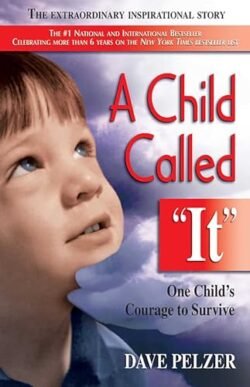
A Child Called It: One Child’s Courage to Survive
“A Child Called ‘It’: One Child’s Courage to Survive” by Dave Pelzer, first published in 1995, is a harrowing autobiographical account of extreme child abuse. The book is the first in a series that chronicles Pelzer’s childhood experiences of being brutally beaten, starved, and mistreated by his alcoholic mother in their California home. The narrative details Pelzer’s struggle for survival from ages 4 to 12, during which he was viewed not as a son but as a slave and an “it” by his mother. Despite the unimaginable cruelty he faced, Pelzer’s story is one of resilience and determination to overcome his circumstances and not only survive but eventually thrive. Character Analysis Dave Pelzer: As the protagonist and narrator, Dave Pelzer presents his childhood self as a figure of immense resilience and willpower. His experiences of abuse at the hands of his mother and his journey to survival showcase his remarkable strength and courage. Dave’s perspective offers insight into the mindset of an abused child, including feelings of worthlessness, fear, and a desperate longing for love and normalcy. Catherine Roerva: Pelzer Dave’s mother, Catherine, is portrayed as the antagonist of the story. Her transformation from a caring mother to an abusive monster is a central element of the narrative. Her reasons for singling out Dave for abuse are not made clear, which adds to the sense of confusion and terror that Dave experiences. Her actions are depicted as both cruel and calculated, serving as a stark reminder of the potential for evil within human nature. Themes and Analysis Resilience in the Face of Adversity: The overarching theme of the book is the incredible resilience of the human spirit. Despite enduring unimaginable abuse, Dave maintains his will to survive and his hope for a better future. The Nature of Abuse: Pelzer’s account sheds light on the complexities of child abuse, including the psychological and physical aspects, and the profound impact it has on a child’s development and self-perception. The Failure of Social Systems: The story highlights the shortcomings of social services and the education system in identifying and intervening in cases of child abuse during the time of Pelzer’s childhood. “A Child Called ‘It’” is a deeply moving and disturbing account of one of the most severe child abuse cases in California history. Dave Pelzer’s ability to survive and eventually escape his mother’s abuse is a testament to his courage and determination. While the book is a painful reminder of the atrocities that can occur within the supposed safety of a family home, it also serves as an inspiration, showing that it is possible to overcome even the darkest of circumstances. Pelzer’s story has raised awareness about child abuse and has inspired many to fight against it and to support those who have suffered from it. If the summary caught your interest, Consider reading the full book on AbeBooks. Explore this book on AbeBooks

Titan: The Life of John D. Rockefeller, Sr.
“Titan: The Life of John D. Rockefeller, Sr.” by Ron Chernow is a comprehensive and insightful biography of John D. Rockefeller, Sr., one of the most influential and controversial figures in the history of American capitalism. Chernow’s meticulously researched book offers an in-depth look at Rockefeller’s life, from his humble beginnings to becoming the world’s first billionaire and the head of the Standard Oil empire. The biography not only explores Rockefeller’s business acumen and his profound impact on the American economy but also delves into his personal life, philanthropy, and the complex legacy he left behind. Character Analysis John D. Rockefeller, Sr: John D. Rockefeller, Sr. emerges as a multifaceted character in Chernow’s narrative, embodying both the quintessential American dream and the excesses of corporate monopolies. His relentless pursuit of efficiency and profit revolutionized the oil industry and American business practices, yet his methods sparked widespread debate about corporate ethics and the need for antitrust regulation. Rockefeller is portrayed as a deeply religious man, whose philanthropic efforts aimed to mitigate the harsher aspects of his capitalist pursuits, contributing significantly to education, science, and medicine. Themes and Analysis Capitalism and Morality: The biography examines the tensions between Rockefeller’s business practices and his personal ethics, questioning the moral implications of his monopolistic approach to business. Philanthropy and Legacy: Chernow explores Rockefeller’s extensive philanthropic endeavors, highlighting how his wealth was used to fund numerous charitable causes and institutions, which have had a lasting impact on society. Power and Influence: The book details Rockefeller’s immense influence on the American economy and political landscape, providing insights into the power dynamics of wealth and its ability to shape national policy and public opinion. “Titan: The Life of John D. Rockefeller, Sr.” is a masterful portrayal of one of America’s most iconic figures, offering readers a nuanced understanding of Rockefeller’s complex persona and his indelible mark on the world. Ron Chernow’s engaging narrative captures the essence of Rockefeller’s life, presenting a balanced view that encompasses his achievements, controversies, and contributions to society. This biography is not only a study of a man but also a reflection on the broader themes of ambition, ethics, and the role of wealth in American history. Through the life of John D. Rockefeller, Sr., Chernow invites readers to reflect on the enduring questions of power, responsibility, and the American dream. If the summary caught your interest, Consider reading the full book on AbeBooks. Explore this book on AbeBooks

When Breath Becomes Air
“When Breath Becomes Air” by Paul Kalanithi is a profound and deeply moving memoir that chronicles the life of the author, a neurosurgeon who is diagnosed with stage IV lung cancer at the peak of his career and just as he is about to complete a decade’s worth of training. The book explores themes of life, death, and the meaning we derive from our work and personal experiences, offering readers a poignant look into the journey of facing mortality. Character Analysis Paul Kalanithi: Paul Kalanithi is both the author and the protagonist of the memoir, whose life takes a dramatic turn when he transitions from being a doctor treating the dying to a patient struggling to live. His narrative provides a unique insight into confronting one’s mortality and the quest for meaning amidst life’s fragility. Kalanithi’s reflective and introspective journey invites readers to ponder the value of life and the significance of pursuing one’s passions and connections. Themes and Analysis Mortality and Meaning: The memoir delves deep into Kalanithi’s reflections on mortality, sparked by his diagnosis, and his pursuit to find meaning in his remaining time. The Doctor-Patient Relationship: Kalanithi offers a rare perspective on the dynamics of the doctor-patient relationship, enriched by his experiences on both sides of the equation. The Role of Work and Passion: Throughout his journey, Kalanithi wrestles with questions about the role of work and passion in defining one’s identity and legacy, especially when faced with the possibility of an untimely death. “When Breath Becomes Air” is a testament to the resilience of the human spirit in the face of mortality. Paul Kalanithi’s memoir is not just a narrative about his confrontation with terminal illness but also a reflection on making life meaningful. Through his journey, Kalanithi inspires readers to consider their values and the impact of their choices, making the book a moving exploration of what it means to live a life filled with purpose and integrity. This memoir stands as a powerful reminder of the beauty and tragedy of human life, offering insights that resonate with anyone contemplating the complexities of life, death, and legacy. If the summary caught your interest, Consider reading the full book on AbeBooks. Explore this book on AbeBooks

Garlic And Sapphires
In “Garlic and Sapphires,” Reichl chronicles her tenure at The New York Times, providing a behind-the-scenes look at the lengths to which she would go to conceal her identity from the restaurants she reviewed. Reichl didn’t just use a pseudonym; she created elaborate personas, complete with detailed backstories, wardrobes, and makeup, transforming herself into a gallery of characters that could dine unnoticed. Each disguise allowed her to experience restaurants from the perspective of different patrons, revealing not just the quality of the food but also the service and the overall dining experience from varying viewpoints. The memoir is peppered with recipes and reviews, giving readers a taste of the culinary delights that Reichl encountered. Beyond the entertaining anecdotes of her incognito dining experiences, Reichl delves into deeper reflections on the nature of criticism, the complexities of the restaurant industry, and the ways food intersects with culture and personal identity. Themes and Analysis Identity and Perception: Reichl’s use of disguises serves as a metaphor for the multiple identities we all navigate, and how perceptions can change based on appearance and status. The Art of Criticism: The memoir explores the responsibilities of a critic and the impact of reviews on the livelihoods of those working in the restaurant industry. Food as a Cultural Connector: Reichl illustrates how food is more than sustenance; it’s a medium through which stories are shared, cultures are explored, and connections are made. “Garlic and Sapphires” is not just a memoir about the life of a food critic; it’s a narrative that captures the essence of food as a profound element of human experience. Ruth Reichl’s stories of disguise and discovery offer a unique lens on the world of fine dining, blending humor with heartfelt insights into the ways food shapes our lives and societies. The book encourages readers to think about the role of food in their own lives, the nature of judgment and taste, and the unseen dynamics of the restaurant world. Reichl’s journey is a compelling invitation to explore the richness of food and its capacity to connect us to ourselves and each other. If the summary caught your interest, Consider reading the full book on AbeBooks. Explore this book on AbeBooks

Complications: A Surgeon’s Notes on an Imperfect Science
In “Complications: A Surgeon’s Notes on an Imperfect Science,” Dr. Atul Gawande illuminates the complexity of medicine, especially the practice of surgery, highlighting that it is an imperfect science filled with uncertainties and a journey always in flux. The book candidly addresses topics such as surgical errors, ethical dilemmas, and the challenges faced by doctors. Through real cases and personal experiences, Gawande reveals that the process of learning in medicine requires continual development and adaptation. Themes and Analysis Uncertainty and Errors: Demonstrates that medicine, especially surgery, is not built on certainties but often encounters uncertainties and unexpected situations. Ethical Dilemmas: Examines the ethical issues doctors face in relationships with patients, decision-making in treatment, and the limits of professional practice. Professional Growth and Learning: Emphasizes the importance of continuous learning and drawing lessons from experiences in medical practice. Dr. Atul Gawande’s “Complications: A Surgeon’s Notes on an Imperfect Science” exposes both the immense potential and the limitations of medical science. The book emphasizes that medical practice is not limited to scientific knowledge and technical skills but also requires deep human sensitivities and ethical considerations. Gawande invites readers to confront the challenges and uncertainties in the field of medicine and to appreciate the value of learning from mistakes as a natural part of the process. This work serves as a guide for both medical professionals and the general public to take an insightful look into the complexities of medical practice. If the summary caught your interest, Consider reading the full book on AbeBooks. Explore this book on AbeBooks

A Black Gambleras World of Liquor, Vice, and Presidential Politics
In this book, the author likely chronicles the life of William Thomas Scott, offering insights into his upbringing, career, and impact on the broader historical context of his time. Scott’s story is likely presented as a lens through which to explore issues of race, politics, and social change in America during the 19th and early 20th centuries. Themes and Analysis Race and Identity: As an African American in a predominantly white society, Scott’s experiences likely shed light on the complexities of racial identity and belonging in America. The book may explore how Scott navigated systemic racism and discrimination while carving out a place for himself in various spheres of society. Politics and Power: Scott’s involvement in presidential politics suggests a level of political acumen and influence. The book may delve into his connections with political figures of the time, his contributions to political campaigns, and the role of African Americans in shaping political discourse and policy. Vice and Society: The title hints at Scott’s involvement in activities such as gambling and the liquor trade, which were often associated with vice and moral ambiguity in 19th-century America. The book may explore how Scott’s engagement with these industries intersected with broader social attitudes towards morality, vice, and social order. As a biographical study, “A Black Gambler’s World of Liquor, Vice, and Presidential Politics” offers a nuanced portrait of an often overlooked figure in American history. Scott’s life story likely provides valuable insights into the complexities of race, politics, and social dynamics during a transformative period in American history. By chronicling the life of William Thomas Scott, the author of this book likely seeks to illuminate broader themes and issues related to race, politics, and society in 19th and early 20th century America. Scott’s story serves as a reminder of the diverse experiences and contributions of African Americans throughout American history, challenging traditional narratives and expanding our understanding of the past. If the summary caught your interest, Consider reading the full book on AbeBooks. Explore this book on AbeBooks