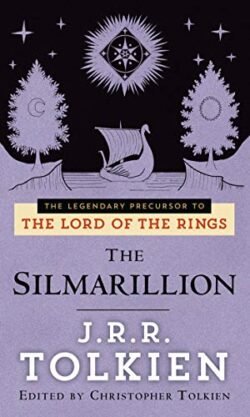
“The Silmarillion” by J.R.R. Tolkien, edited and published posthumously by his son Christopher Tolkien, is a monumental work of mythology that lays the foundation for the Middle-earth universe, setting the stage for “The Hobbit” and “The Lord of the Rings.” This collection of mythopoeic stories delves into the creation of the world, the rise and fall of its first peoples, the Elves and Men, and the epic tales of heroism, betrayal, and tragedy that define the ancient history of Middle-earth. “The Silmarillion” is not just a prelude to Tolkien’s more famous works but a rich, complex tapestry of lore and legend that offers readers a deeper understanding of his mythical world.
Character Analysis
- While "The Silmarillion" encompasses a vast array of characters, a few key figures stand out for their significant roles in the narrative:
- Ilúvatar (Eru): Ilúvatar, or Eru, is the supreme deity who creates the universe and the Ainur, powerful spiritual beings, through his thought and music. His character represents the ultimate source of all creation and authority in Tolkien's universe, embodying themes of divinity, fate, and free will.
- Melkor (Morgoth): Melkor, later known as Morgoth, is the first and most powerful of the Ainur created by Ilúvatar. His rebellion and desire to dominate and corrupt Middle-earth make him the primary antagonist. Melkor's character explores themes of pride, envy, and the nature of evil.
- Fëanor: Fëanor is a pivotal Elf character, renowned for his craftsmanship and the creation of the Silmarils, three jewels of immense beauty and power. His oath to recover the Silmarils, which are stolen by Morgoth, sets off a chain of events marked by heroism and tragedy. Fëanor's character delves into themes of obsession, loyalty, and the consequences of vengeance.
Themes and Analysis
- Creation and Myth: "The Silmarillion" establishes the mythology of Middle-earth, exploring themes of creation, divine intervention, and the struggles between good and evil.
- Fate and Free Will: The narrative examines the tension between the predestined fate of the world and the characters' free will, particularly in their capacity to resist or succumb to evil.
- Loss and Redemption: Throughout the stories, themes of loss, the pursuit of beauty and perfection, and the possibility of redemption resonate, reflecting the complexity of the moral and spiritual landscape of Middle-earth.
“The Silmarillion” is a masterful work that enriches the lore of Middle-earth and deepens the reader’s appreciation for J.R.R. Tolkien’s imaginative world. Its tales of creation, divine drama, and the heroic sagas of Elves and Men offer a profound exploration of themes that resonate with human experience. This collection stands as a testament to Tolkien’s unparalleled skill in world-building and myth-making, inviting readers to lose themselves in the ancient history that underpins the beloved stories of “The Hobbit” and “The Lord of the Rings.” “The Silmarillion” is not only a prelude to these works but a monumental achievement in its own right, capturing the heart and soul of Tolkien’s legendarium.
If the summary caught your interest,
Consider reading the full book on AbeBooks.
Explore this book on AbeBooks